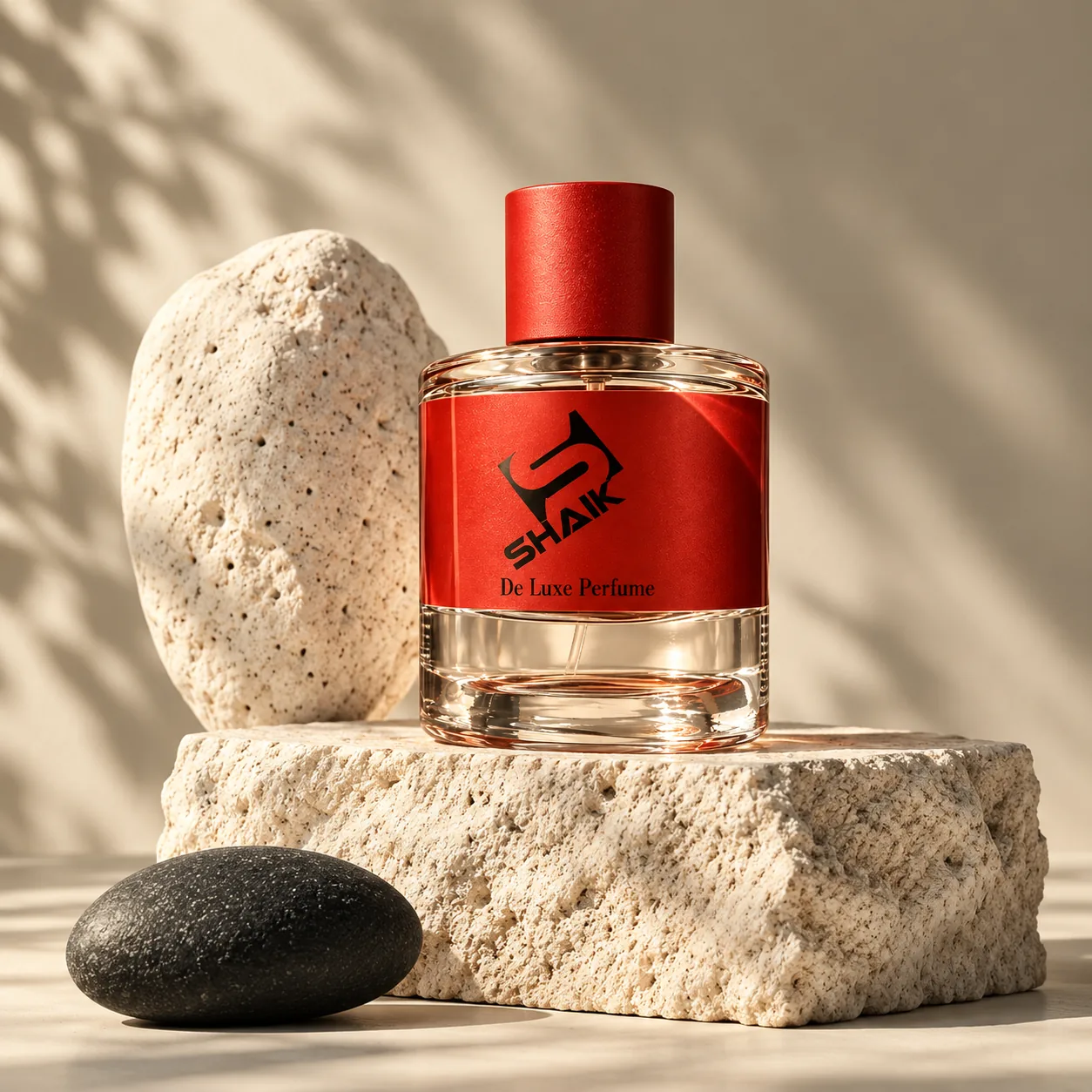


A scent impression
In fragrance descriptions, a note names an impression you may recognise, such as a floral or woody character. Notes describe the experience of a scent; they should not be read as proof that a particular raw material is present in the formula.
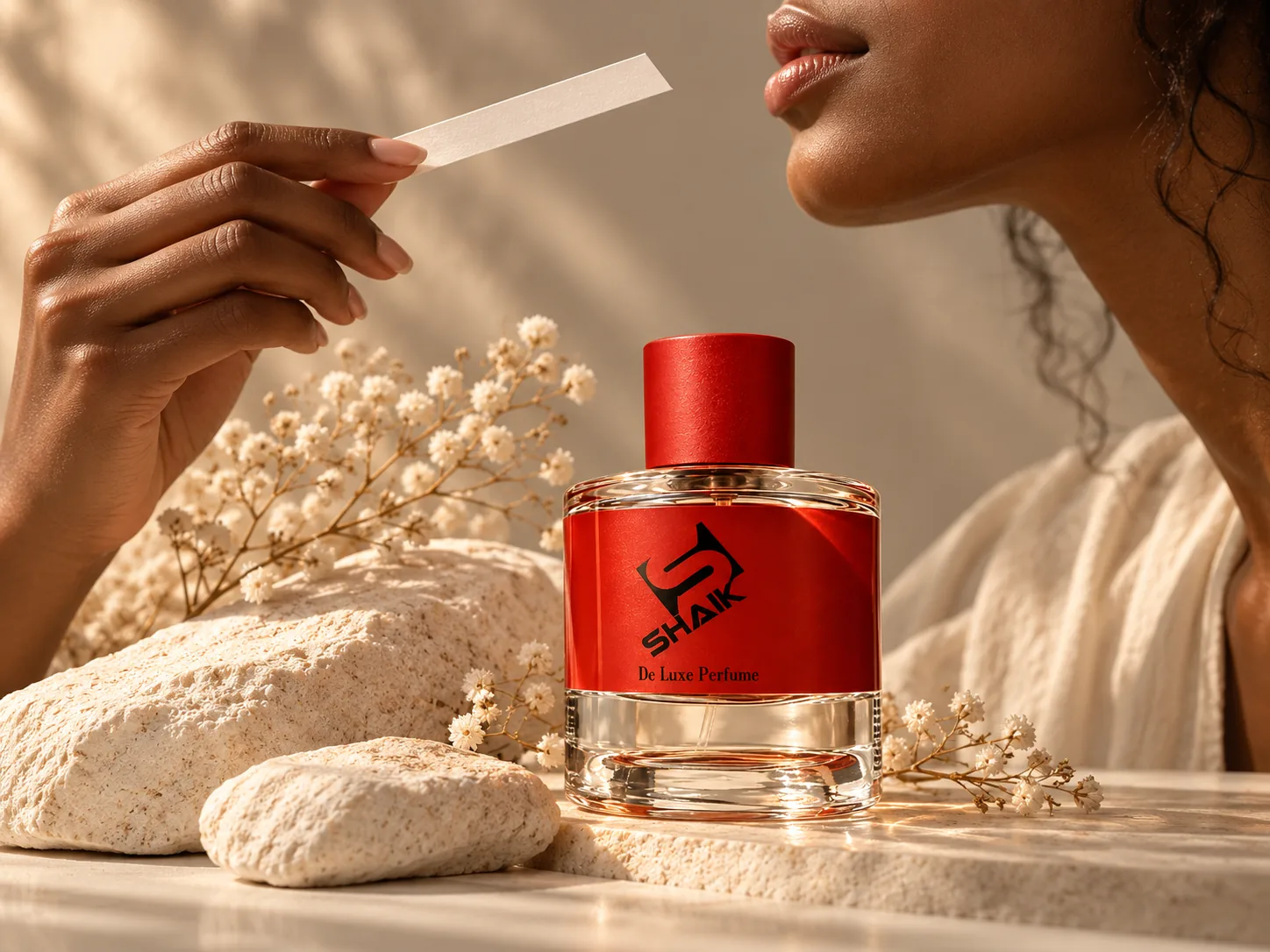
An accord describes character
An accord describes a combined scent impression. On the Luxe Esscents MW 203 page, the supplied accord list is Fruity, Sweet, Musky, Powdery, Fresh, Tropical and Woody. These words offer a guide to the fragrance's character. They are not ingredient quantities or a measured intensity ranking.
A family is a broader guide
Catalogue families such as Floral or Chypre Fruity help organise products. A family can be useful when comparing options, but it does not replace an individual product's verified description. Two products in the same family may still provide different experiences.
Ingredients require their own source
For formula information, consult the actual product packaging or verified manufacturer information. Do not use an inspiration perfume's note list as a Shaik ingredient declaration. Where detailed notes have not been confirmed, Luxe Esscents can show the catalogue family and keep the distinction clear.