
What the labels mean
The name on the bottle tells you roughly how much perfume oil is blended into the alcohol base. More oil usually means a richer scent that lasts longer on skin, although the ingredients matter as much as the percentage.
A simple concentration chart
Parfum or extrait de parfum: around 20–30% perfume oil. The most concentrated, and usually the most expensive.
Eau de parfum (EDP): around 15–20%. A popular balance of strength and price for everyday wear.
Eau de toilette (EDT): around 5–15%. Lighter, often fresher and easy to reapply.
Eau de cologne (EDC): around 2–5%. Light and refreshing, made to be used generously.
Body mist: usually lighter still, made for spraying all over and topping up through the day.
These ranges are typical rather than fixed, because every brand sets its own. 'Intense', 'elixir' and 'parfum' versions of a fragrance are usually stronger takes on the original.
Perfume vs cologne
In everyday speech 'cologne' often just means a men's fragrance, but strictly it describes a light concentration. A men's fragrance can be an eau de parfum, and a women's fragrance can be an eau de toilette.
What about Shaik perfumes?
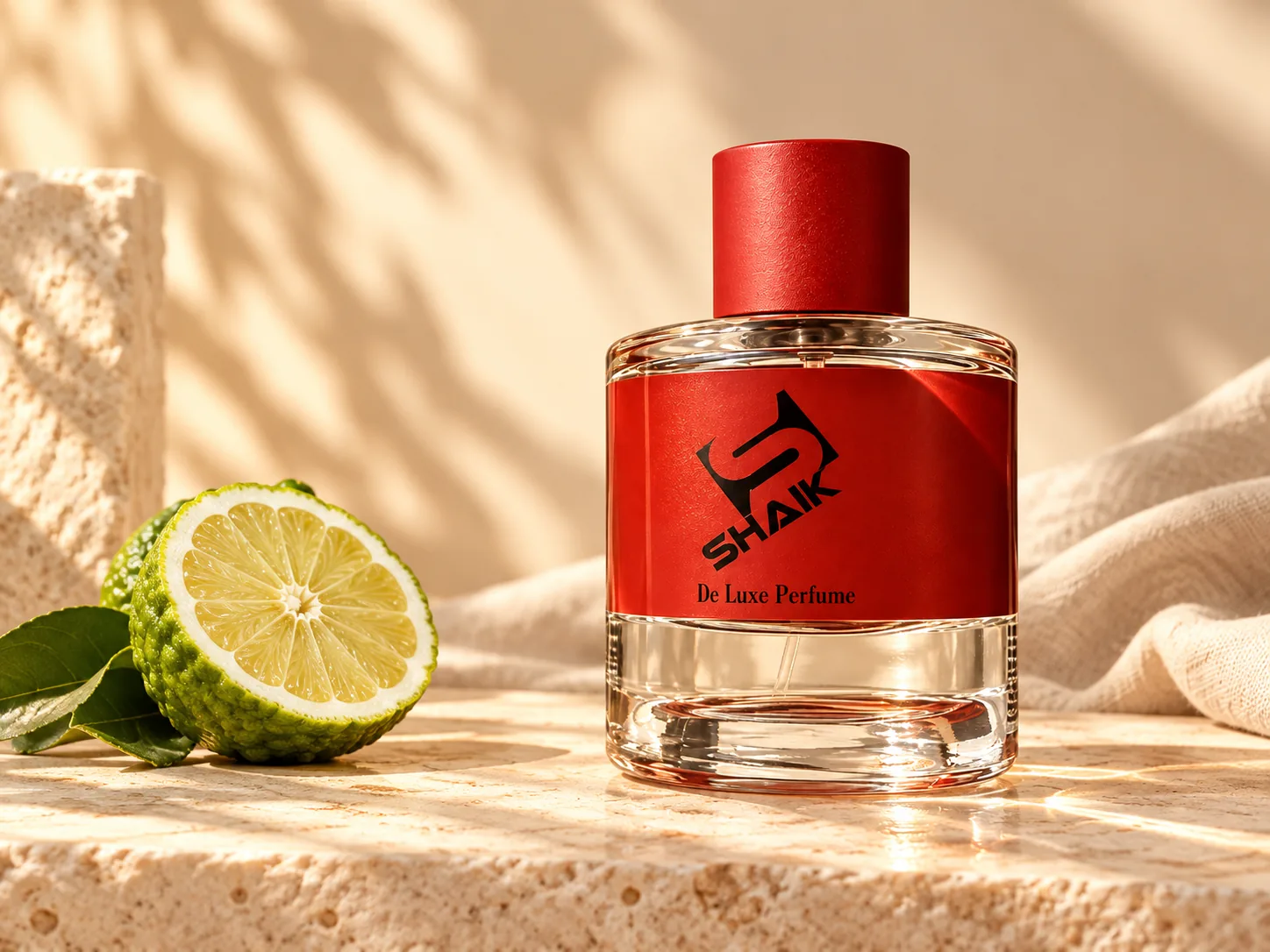
The Shaik boxes in our product photos are labelled Eau de Parfum, 50 ml. To check a particular code, ask us on WhatsApp before you order.
Which should you choose?
Choose an eau de parfum to carry you through the day, a lighter eau de toilette or body mist for hot weather and quick refreshes, and a richer scent style for evenings. Our guide on making perfume last longer has more tips.